The Art of Swing Bowling: A Complete Guide
Why does the ball swing? How do bowlers make it move late? And why does a cloudy afternoon help? We break down the physics and craft.
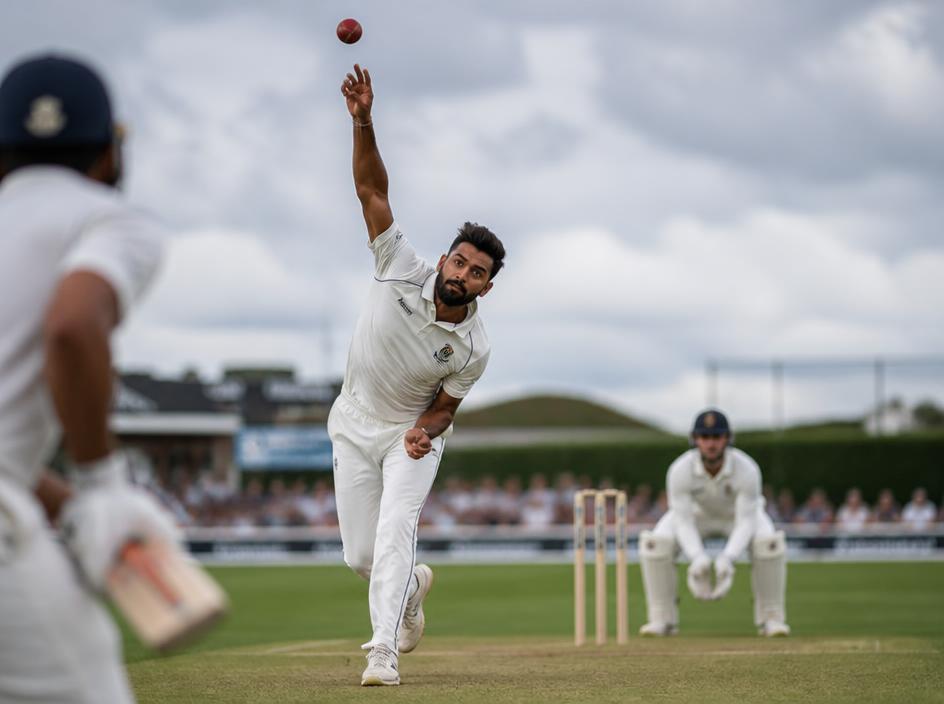
Swing bowling is the closest cricket comes to magic. A ball that moves sideways through the air, often late in its flight, defeats batsmen who have spent years mastering straight balls. But the magic is physics, and the physics is fascinating.
Conventional swing
When one side of the ball is rough and the other is smooth, air flows differently around each surface. The smoother side experiences lower pressure, pulling the ball in that direction. Bowlers polish the leather, keep the seam upright, and let aerodynamics do the work.
Reverse swing
As the ball ages and becomes more scuffed, the balance shifts. At high speeds, turbulent airflow can reverse the pressure difference, making the ball swing toward the shiny side. It is the weapon of the genuinely fast, and it has decided Test matches across the world.